5 Afisman Drive off Obafemi Awolowo Way Ikeja Lagos Nigeria
Blog Details
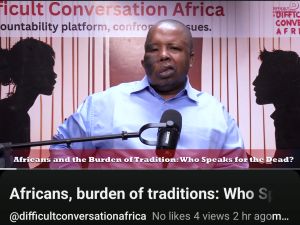
Africans, the burden of tradition: Who Speaks for The Dead
When an African dies, who has the authority to determine what happens next: the deceased’s spouse and children, the extended family, cultural institutions or the law?
.This podcast episode examines “ Who Speaks for the Dead? The Burden of African Tradition “
examine how African traditions influence decisions after death, explore conflicts between spouses and extended families, challenge the use of burial arrangements to settle personal scores, and discuss the legal rights and responsibilities of the parties involved.
How can cultural practices evolve without erasing the identity and values they were intended to preserve? Tradition is inherited, but it is also practised and interpreted by the living. If a particular practice repeatedly creates avoidable conflict or harms vulnerable family members, should it remain unquestioned simply because it is old?Can we honour our ancestors without allowing the past to become a burden on the living?African traditions have given many communities identity, continuity and a sense of belonging. Our challenge is to ensure that those traditions serve humanity rather than become instruments of division.
Death should be a time for mourning, reflection and honouring the life of someone who has passed away. Yet, in some families, death becomes the beginning of another battle.Disagreements emerge over who should organise the funeral, where the deceased should be buried, who should make the final decisions, and which traditions must be observed.
Sometimes, the disagreement is between a surviving spouse and the deceased’s biological family. In other cases, children, siblings, religious leaders and traditional authorities become involved.
But beneath these disagreements lies a difficult question: are we honouring the dead, or are we using the dead to settle scores with the living?
Welcome to *Difficult Conversation Africa*, where we confront the issues society often finds uncomfortable to discuss.
Today, We are asking whether traditions that once brought families together can sometimes become instruments of conflict, control and emotional suffering. Our conversation is not about rejecting African culture. It is about asking how we can respect our heritage while protecting human dignity, family relationships and the rights of those left behind.
* Does marriage give a surviving spouse a stronger claim to decision-making than the deceased’s siblings or extended family?* What happens when the deceased’s expressed wishes conflict with the family’s cultural expectations? Should the person who knew the deceased best have greater influence over how their wishes are respected?
Can we honestly say that we are respecting the deceased when we ignore the wishes of the person with whom they shared their life? Equally, should we dismiss the role of the extended family simply because the deceased was married? Should burial arrangements ever become an opportunity for family members to settle old scores, punish a surviving spouse, assert superiority or express grievances against one another? * Why do disagreements that existed during a person’s lifetime sometimes intensify after their death? Can the burial of a deceased person become a form of punishment directed at a surviving spouse or the children?What happens when family members use access to the deceased, funeral decisions or cultural rites as leverage in a personal dispute?
Should unresolved marital disagreements or resentment towards a spouse determine how a deceased person is buried?
Who should intervene when a funeral becomes a battleground? At what point does defending tradition become an excuse for settling personal scores?**
Has the influence of the extended family in African society become a source of support during bereavement, or can it sometimes undermine the rights and wishes of the deceased’s spouse and children?
What legitimate role should siblings, parents, uncles, aunties and other relatives play after a family member dies? Should the extended family have the power to override the wishes of a surviving spouse?
How should families respond when relatives who were largely absent during the deceased’s lifetime suddenly take control of funeral arrangements? Can family elders mediate disagreements fairly when they are personally involved in the dispute
Where should the influence of the extended family end, and where should the rights of the surviving spouse and children begin? When the wishes of a deceased person’s spouse and children conflict with those of the biological family, whose interests should take priority, and how should the disagreement be resolved?Should a surviving spouse be compelled to accept cultural rites they consider objectionable?
A person may spend decades building a life with a spouse and raising children, only for those relationships to become secondary in the decisions that follow their death.
How do we balance the interests of the spouse, children and extended family without turning the deceased into an object of competing claims?**
When family members disagree over burial arrangements, funeral rites or the treatment of a deceased person’s wishes, what legal rights and remedies may be available, particularly under Nigerian law?
Can a spouse or child seek urgent legal intervention when a burial dispute becomes serious?
*
* Can the law protect the dignity of the deceased while also protecting the rights of surviving relatives?
Where custom, family expectations and individual rights collide, what determines the legally defensible outcome?**
How can African societies preserve meaningful cultural traditions while preventing family authority, funeral practices and customary expectations from becoming sources of conflict, humiliation or injustice?
*Should people discuss their funeral wishes with their families before death?
As we conclude this conversation, one thing is clear: death does not automatically end family disagreements. Sometimes, it exposes conflicts that have existed for years.
The question is not whether culture matters. It does.
The question is whether respect for culture can coexist with respect for the wishes of the deceased, the dignity of a surviving spouse, the welfare of children and the legitimate interests of the wider family.
Because, in the end, the person who has died can no longer speak for themselves. It is the responsibility of the living to act with wisdom, restraint and compassion.
Who do you believe should have the final say when tradition, the wishes of the deceased and the interests of the surviving family collide?**
Itall, this Difficult conversation Africa podcast episode furthers looks at
“When death brings a family together to mourn, why does it sometimes turn into a battle over who has the right to speak for the dead?
Who Owns the Dead? Africa’s Battle Between Tradition and Family
The Dead Cannot Speak: Who Controls Their Final Wishes? Burial or Revenge? When African Families Turn Grief into ConflictCan we let the Dead Rest! When Family Power Overrides Human Dignity When Tradition Clashes with the Living: Who Decides After Death?
Between Ancestral Customs and Family Rights: Who Decides?
When Death Divides: The Battle for Family Authority
A Funeral, a Family War: Who Really Has the Final Say?
Grief, Power and Tradition: Why Families Fight After Death


Leave a comment