
Viral lies, Shattered lives, Who Pays for Online damages
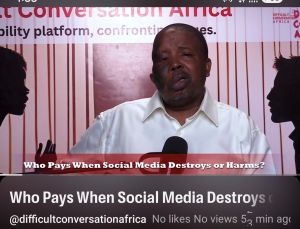
Social media has transformed communication, influence, and public engagement. Social media connects us. It informs us. It entertains us. It gives ordinary people a voice and extraordinary opportunities. But what happens when that same power destroys reputations, damages mental well-being, ruins relationships, threatens livelihoods, or causes irreversible harm? When a damaging post goes viral, when someone’s private life becomes public entertainment, when misinformation ruins a reputation, or when online harassment pushes someone to the edge, one important question remains: WHO PAYS THE PRICE? Is it the victim who must live with the emotional, psychological, social, and financial consequences? Is it the person behind the keyboard who created or circulated the harmful content? Should social media platforms take responsibility for content amplified by their algorithms? What about influencers, digital creators, governments, and society at large? In this thought-provoking episode of Difficult Conversation Africa, episode, we confront the uncomfortable realities of digital responsibility and the consequences of online behaviour. This is more than a conversation about technology. It is a conversation about human dignity, ethics, freedom of expression, justice, accountability, and the responsibility that comes with having a digital voice. In this episode of Difficult Conversation Africa, we examine the consequences of harmful online behaviour and explore the responsibilities of social media users, influencers, content creators, technology platforms, and society. We raise important questions about: -You Can Delete a Post, But Can You Delete the Damage?”-“Freedom of Expression or Freedom to Destroy?”
-“The Post Goes Viral. The Victim Pays the Price.”
-“Who Is Accountable for the Harm Behind the Screen?”
-“Social Media Gives Us a Voice. Does It Also Give Us Responsibility?”
-“Are Social Media Platforms Doing Enough to Protect Us?”
-“When Online Behaviour Has Offline Consequences.”
-Social media abuse and cyberbullying. -Online harassment and reputational damage. -Freedom of expression versus harmful speech. -Digital ethics and responsible content creation. -Accountability of social media platforms. -The protection of victims and digital rights. -Building safer and more responsible online communities. When a damaging post goes viral, when someone’s private life becomes public entertainment, when misinformation ruins a reputation, or when online harassment pushes someone to the edge, one important question remain WHY THIS CONVERSATION MATTERS In an increasingly connected world, a single post, comment, video, or screenshot can change someone’s life. Yet, while content can be deleted, shared, or forgotten by the person who posted it, the damage may remain with the person affected. We need to ask difficult questions: Who should be held accountable when social media causes harm? Where does freedom of expression end and harmful conduct begin? Should social media companies do more to protect users? What responsibility do content creators and online audiences have? How can victims seek justice, protection, and redress? Are we becoming too comfortable with online cruelty and public humiliation? WHO SHOULD LISTEN? This conversation is particularly important for: -Parents and guardians: Understand the digital environment shaping your children’s lives. -Young people and students: Learn to navigate social media responsibly and recognise the consequences of online behaviour. -Social media users: Reflect on the power of your posts, comments, shares, and reactions. -Influencers and content creators: Examine the ethical responsibilities that come with digital influence. -Journalists and media professionals: Engage with questions of digital ethics, misinformation, and responsible communication. –Policymakers, lawyers, and human rights advocates: Consider the challenges of accountability, regulation, and digital rights. -Educators and civil society organisations: Encourage safer and more responsible digital communities. Watch, reflect, and join the discussion. JOIN THE CONVERSATION: Share your thoughts in the comments. Like this video. Subscribe to Difficult Conversation Africa. Share this episode with your friends, family, colleagues, and social media communities. Difficult Conversation Africa creates space for meaningful conversations about the issues shaping our societies. Watch on Youtube- Share :

Leave a comment